
Self Help Africa
Self Help Africa addresses the interconnected drivers of rural poverty and climate vulnerability through integrated solutions that improve livelihoods, strengthen food and water security, and build long-term resilience. By linking market systems, agriculture, WASH, nutrition, and natural resource management, it creates durable pathways out of poverty for climate-vulnerable communities.
Investment Rationale
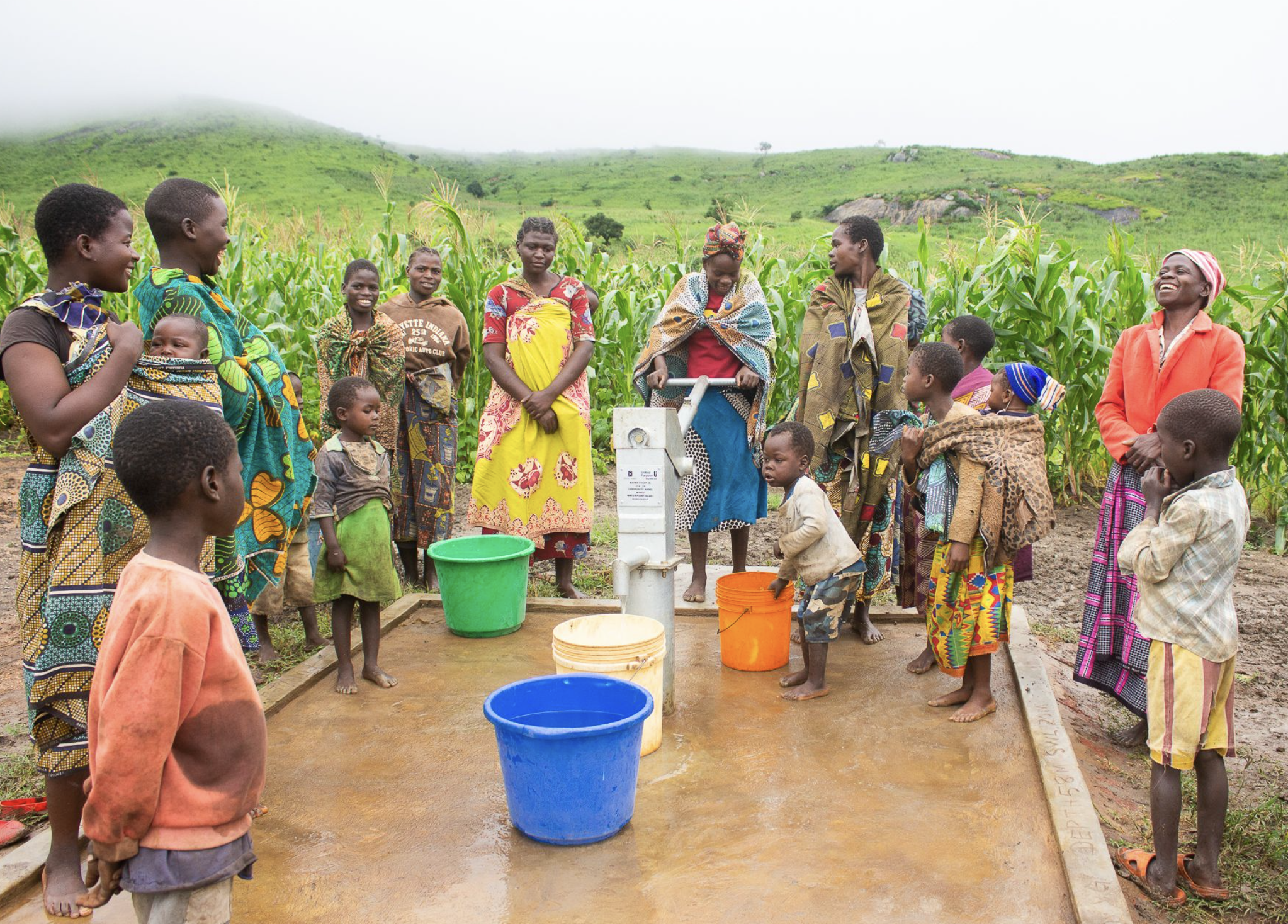
Self Help Africa's work in Malawi will help vulnerable communities better withstand floods, cyclones, and drought by improving the reliability of essential water services, restoring the natural systems that sustain them, and strengthening the institutions responsible for managing climate risks.
Protecting essential services and livelihoods: By strengthening water infrastructure and restoring the catchments that sustain it, Self Help Africa helps communities safeguard access to safe water and food production in the face of climate shocks.
Demonstrating integrated resilience in practice: The program combines WASH, water resources management, and climate-smart agriculture within district systems to generate practical models and lessons that can inform replication in Malawi and beyond.
Impact & Outcomes
Self Help Africa is strengthening climate resilience in Thyolo District by ensuring that water systems, natural resources, and local institutions are better equipped to anticipate, withstand, and adapt to increasingly frequent climate shocks.
More reliable and resilient water services: The program will directly benefit an estimated 7,600 people through flood-proofed boreholes, strengthened gravity-fed water systems, and improved management practices that help ensure continued access to safe water during floods, cyclones, and prolonged dry periods.
Stronger local systems for long-term adaptation: Through catchment restoration, climate-smart agriculture training, and improved coordination across water, agriculture, health, and local government sectors, Self Help Africa is building the capacity of communities and institutions to manage climate risks and sustain resilience.
